



The American college experience has long provided more than just a diploma; unofficial perks include socialization, a newfound appreciation for doing laundry at home, and an increased tolerance for all-nighters and energy drinks.
Today's students can claim something alumni can't: near-constant exposure to generative AI tools like Claude, ChatGPT, and Gemini. A 2026 Lumina Foundation-Gallup study reports 57% of U.S. college students use AI in their coursework at least weekly, and a Digital Education Council survey found 92% of students in Latin America use AI on a daily or weekly basis for academic work. However, students in that survey self-report relatively low AI literacy overall, meaning they lack the skills to evaluate AI content, recognize biases, or identify AI-generated misinformation. This pattern of rapid adoption outpacing literacy is a warning sign for U.S. colleges where formal AI instruction is similarly absent.
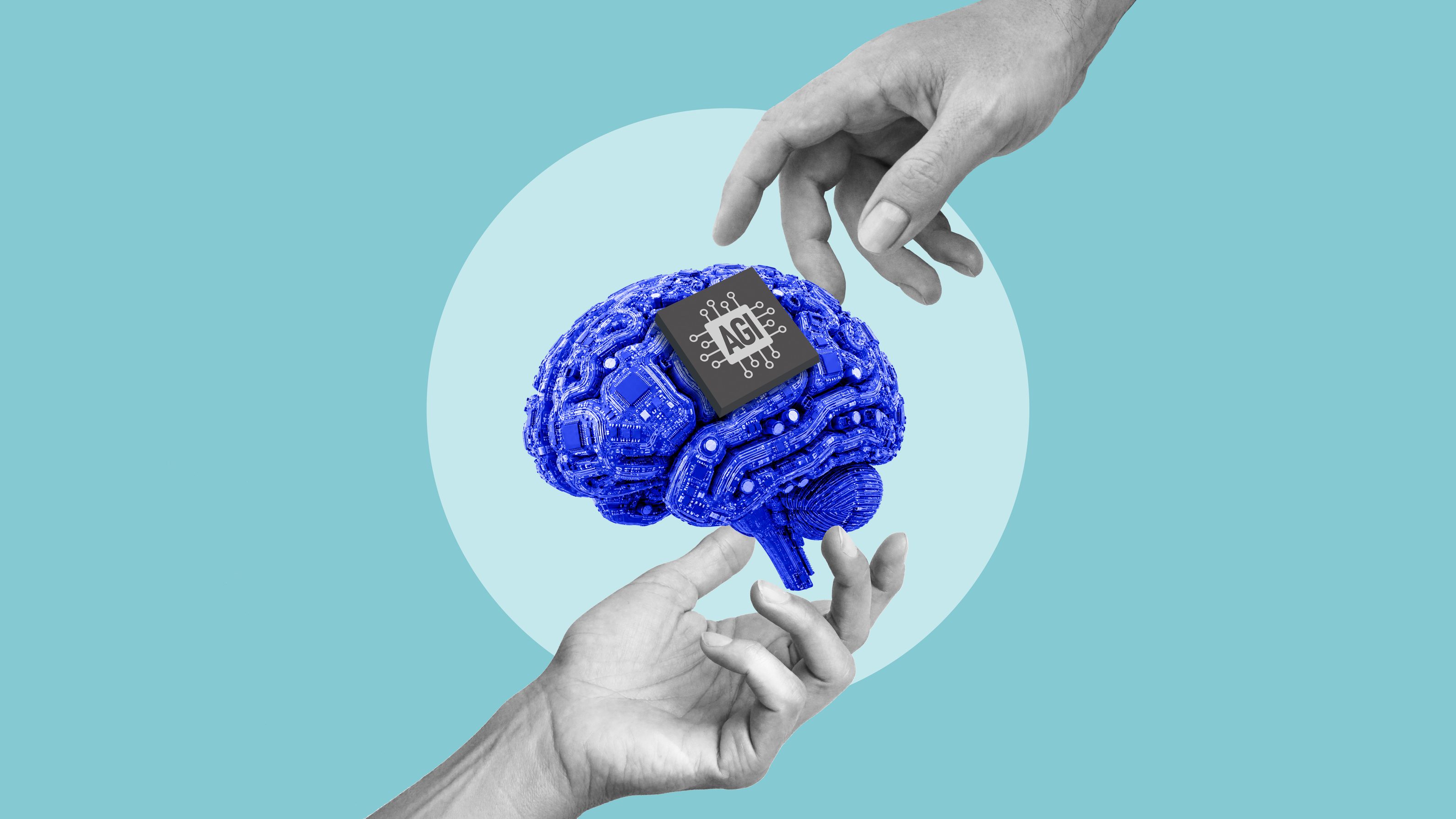
Why, then, does the Literacy in Future Technologies Artificial Intelligence (LIFT AI) Act focus solely on K-12, leaving college students in the lurch? Perhaps it's because the bill's goal is building "an AI-ready workforce," and that work starts in kindergarten. Or perhaps it's because the bill's backers—Google, Microsoft, and OpenAI—want to secure that workforce as their perpetual customer base. This article argues that higher ed doesn't have to accept this arrangement and that it already has everything it needs to push back.
What's wrong with the LIFT AI Act
The LIFT AI Act raises more than a few questions, starting with who it enlists to enforce it. Should it pass, the National Science Foundation (NSF) would award grants to universities and nonprofits to develop K-12 literacy curriculum, professional development programs, and evaluation tools. But the bill says nothing about requiring grantees to have K-12 pedagogical experience, only that grants be merit-based. That’s especially concerning given that the NSF directorship is currently vacant, with the president’s nominee, tech investor Jim O’Neill, awaiting Senate confirmation. Meanwhile, federal K-12 oversight is in flux following the downsizing of the Education Department.
More damning yet, the bill is backed by Google, Microsoft, and OpenAI, alongside the Information Technology Industry Council and the Software & Information Industry Association, who are the primary lobbying bodies for the U.S. tech industry. For companies whose products students would be trained to use, the incentive is clear: Big Tech gets a steady stream of customers who reach for the tools first and ask questions later, if at all.
This pattern of giving outside entities authority over institutions they don't serve is par for the course in higher education. In his essay "A Plague of Consultants," Queens University of Charlotte professor Kevin Gannon documents how higher ed consultancies work in much the same way, with recommendations reflecting the interests of the business models they came from instead of the institutions that hired them. Fortunately, there's precedent for pushing back.
How higher ed can take back AI literacy
LIFT AI won't land on college campuses the way it will in K-12 classrooms. Unless an institution is among the few that successfully compete for NSF grants, the bill's direct reach into higher ed is limited for now. But it won't be long before the K-12 students it shapes arrive as college freshmen, leaving higher ed to inherit students who risk becoming the managers approving discriminatory hiring algorithms, the clinicians trusting unreliable diagnostic tools, and the voters swayed by deepfakes.
According to Gannon, institutions facing outside pressure tend to see every problem through whatever lens that pressure provides. Borrowing from Abraham Maslow, he notes that "if the only tool one has is a hammer, one tends to see every problem as a nail." The risk for colleges isn't that LIFT AI rewrites their curriculum. It's that a workforce-pipeline model of AI literacy becomes so pervasive no one questions it.
The alternative is for higher ed to exercise the authority it already has in the form of governance structures and faculty expertise and define AI literacy on its own terms. For administrators ready to act, Gannon's framework for resisting outside pressure offers a practical starting point:
- Define AI literacy internally before any externally developed framework arrives. Form a cross-campus committee of faculty to establish what AI literacy means for your institution's graduates specifically.
- Apply due diligence to any AI vendor or LIFT AI grantee materials you consider adopting. Gannon suggests asking: what is this entity's experience in educational settings? What were their outcomes at prior client institutions? Are their recommendations uniform across clients, or tailored to institutional context?
- Use shared governance structures proactively. Faculty senates and curriculum committees are empowered to craft policy. Waiting for a crisis is how institutions end up green-lighting decisions that should have been theirs to make.
Defining AI literacy now in a way that reflects the student body, mission statement, and values puts institutions in a better position to respond to federal initiatives on their own terms.
Looking ahead
LIFT AI has yet to become law, and its final form may look different than what's been introduced. But the broader dynamic it represents isn't going away regardless of whether or not it passes. Higher ed has the tools to respond; it just needs to use them before Big Tech's vision of AI literacy becomes too ingrained to challenge.
Frequently asked questions
What is the LIFT AI Act?
The Literacy in Future Technologies Artificial Intelligence (LIFT AI) Act is a proposed federal bill that would have the National Science Foundation award grants to universities and nonprofits to develop K-12 AI literacy curriculum, teacher training, and evaluation tools. Its stated goal is building an “AI-ready workforce.” Google, Microsoft, and OpenAI back it, along with the Information Technology Industry Council and the Software & Information Industry Association.
Does it apply to colleges?
Not directly. Unless an institution wins one of those NSF grants, the bill’s reach into higher ed is limited for now. But today’s K-12 students will be tomorrow’s college freshmen, and higher ed will inherit whatever version of AI literacy they learned along the way.
Why does it matter that Big Tech is behind it?
Because the companies whose products students would be trained to use stand to gain students who reach for the tools first and ask questions later, if at all. The risk for colleges isn’t a rewritten curriculum but the acceptance of a definition of AI literacy they had no say in.
What can higher ed do about it?
Use the authority it already has. Form a cross-campus faculty committee to define AI literacy internally before an outside framework arrives. Vet any vendor or grantee materials by asking about educational experience, prior outcomes, and whether recommendations are tailored or one-size-fits-all. And use faculty senates and curriculum committees proactively, rather than waiting for a crisis.
Related reading
- AI literacy explained: What LIFT gets wrong and how schools can define it themselves
- AI agent least privilege: what it means, why higher ed is behind, and how two universities got it right
- How to bridge the digital divide in an increasingly digital world
- The intersection of AI and pragmatic innovation: A conversation with Alex Goryachev